
A Moment to Breathe, Reset, and Restore
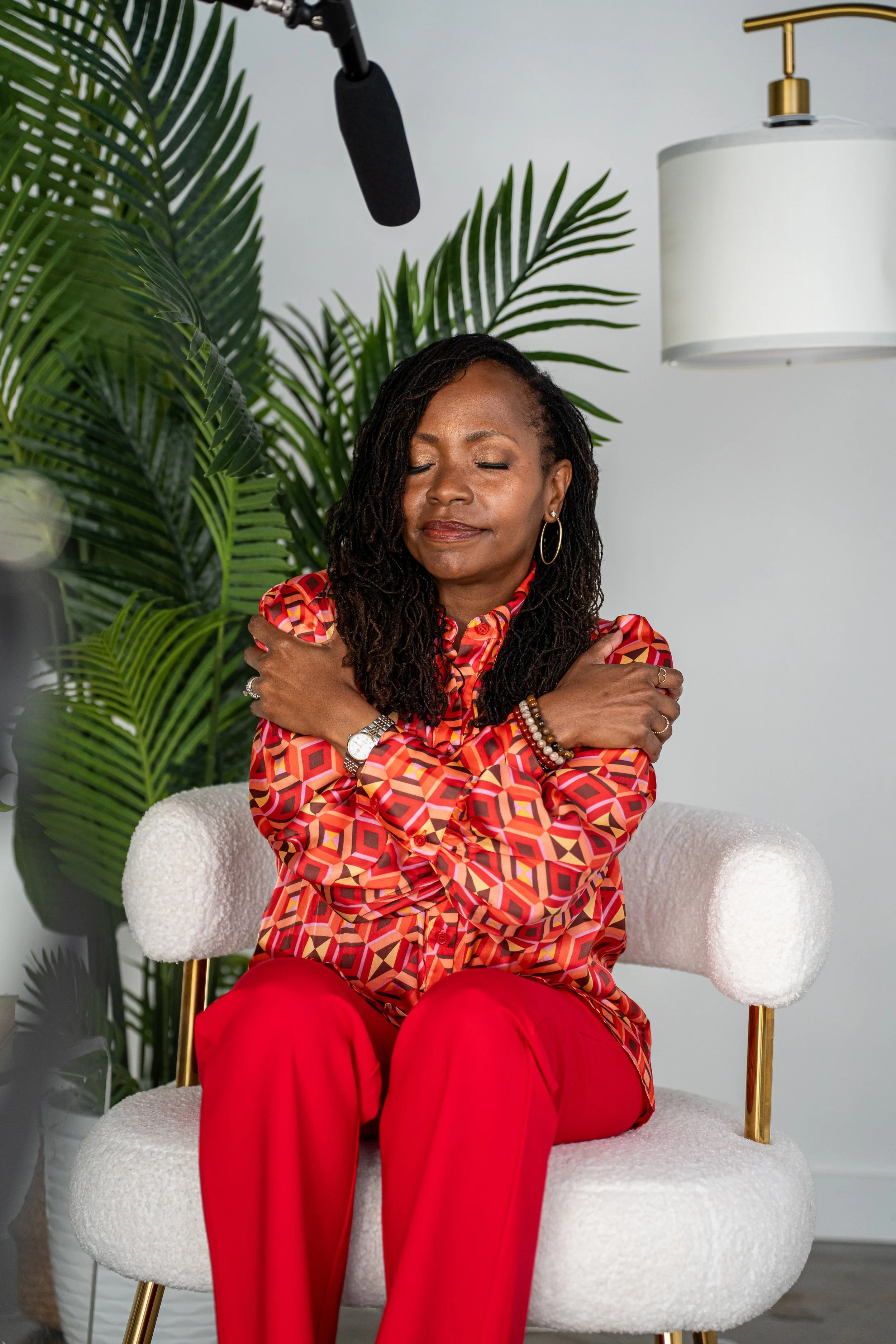
Let me ask you something: when was the last time you took a breath on purpose?
I'm not talking about the quick, shallow breaths we take while answering emails, packing lunches, or rushing to the next thing. I mean a slow, intentional breath that gives your mind and body a moment to settle.
I'll be honest with you. As someone who spends my days supporting others, I know how easy it is to forget to breathe for myself. Breathing becomes something that just happens in the background while I'm focused on everyone and everything else. But I've learned that when I slow down and pay attention to my breath, I create a little more calm and focus in my day. That's what I want for you, too.
What the Research Says
I love when science backs up what we feel in our bodies. In a Stanford Medicine study, participants who practiced just five minutes of intentional breathing each day reported improved mood and reduced anxiety. The practice that focused on slow, extended exhales also significantly lowered participants' resting breathing rate, a sign that the body was settling into a calmer state.
Five minutes. That's less time than it takes me to scroll through my notifications. It's a good reminder for me that something as simple as breathing really can make a difference.
"Breathwork? That's Not Really My Thing."
I hear this a lot, and I get it. If you've never tried breathwork, it can feel a little strange or outside your comfort zone at first.
But here's my invitation to you: try it anyway.
You don't have to believe in it. You don't have to be good at it. And I'm definitely not asking you to turn it into a whole new wellness routine. Just give yourself a few minutes, follow along with me, and notice how you feel afterward.
In my work, I've seen again and again that stepping slightly outside our comfort zone is often exactly how we discover what actually helps us.
Breathe With Me: A Moment of Restoration
I created this short guided practice to help you release tension, reconnect with yourself, and return to a sense of peace. I'd love for you to breathe along with me.
How I Want You to Practice
Breathe in deeply through your nose.
Hold the breath gently for a moment.
Exhale slowly through your mouth, and as you do, wrap your arms around yourself in a warm embrace.
Breathe in again and let yourself rise, with a sense of hope and expectation.
Breathe out naturally and feel the warmth settle in.
I encourage you to repeat the movement and breath at least three times, letting yourself find a rhythm that feels natural to you.
Why the Embrace?
That small act of wrapping your arms around yourself is a reminder that you deserve the same care you so freely give to others. You're allowed to be held, even by you.
When to Use This Practice
You can come back to this practice anytime, but here are a few moments when it can be especially helpful:
Before a difficult conversation or meeting
In the car before walking into work or school
After the kids are in bed and the house finally gets quiet
When you notice your shoulders creeping up toward your ears
Anytime the weight of the day starts to build
Small Steps Still Count
Wellness doesn't always require a major change. Sometimes it starts with creating one small pocket of peace in your day.
So take a deep breath. Give yourself a moment. Then keep going.
Ready for more support?
If holding it all together has been feeling heavy lately, you don't have to figure it out alone. I work with professionals, parents, and students to build resilience and balance at work, at home, and within.
Want more practices like this in your inbox?
Join my newsletter for real talk, practical strategies, and a free Wellness Audit to help you check in with yourself.
👉 Subscribe Here
Xoxo,
Coach Donna Reid
Source: Balban, M.Y., et al. (2023). "Brief structured respiration practices enhance mood and reduce physiological arousal." Cell Reports Medicine. Stanford Medicine.- Affinity