
The Art of Support: How to Find the Right Support for Your Neurodivergent Child

Raising a child can be the most rewarding thing someone does in their life. It takes a lot of energy, patience, time, and money, but the result is an adult who can make their mark on others. The task is daunting and can seem more so if your child is neurodivergent.
Parents are notorious for not understanding their children. That advice for parents of neurodivergent or neurotypical children is the same: try. While they’re similar in that regard and many others, there are just as many ways that raising a neurodivergent child is different than raising a neurotypical one. The kind of support that neurodivergent children need can be different from that of neurotypical children. You might need to factor in extra stress or anxiety that a neurodiverse child may feel or adjust your language for the kinds of explanations a neurodivergent child may need. If you do those, you might also have to teach other people how to do it. My goal is to give you a bit of guidance on how you can give your neurodiverse child and yourself the kind of support y’all may need.
You Can’t “Fix” A Child
There are a few things that can be helpful to understand; one of those things is that you can’t “fix” a child. Your child’s neurodivergence can cause problems, but the difference itself isn’t a problem, and neither is the child. Instead of trying to “fix” a child, parents would probably be more successful trying to guide their child and give them tools. That kind of support can help children move through life with their neurodivergence instead of against it. It can also help children feel more like people and less like problems.
You May Not Have All the Tools You Need
Another piece of wisdom to remember is that you may not have all of the tools to give your child just yet. Educating yourself on your child’s neurodivergence might open the door for you to better understand and support your child. There are resources, like ADDitude and Affinity, that have spent years advising families on how to understand and work with people’s neurodiversity. Affinity recommends looking to understand the kind of neurodiversity your child has and looking for other people who have experienced what you’re experiencing. Learning from many of the resources available can help you equip yourself with the tools to pass on to your child and help them support themselves in the long run.
Practice Emotional Regulation
As ideal as this all sounds, raising any child can stir up big emotions, and sometimes emotional regulation just isn’t our strong suit. Practicing the navigation of your own emotions can help you stay balanced in frustrating situations. Not only that, it can teach your child to do the same. Modeling emotional regulation in front of your child may teach them how to calm down when they get upset. This can lead to less conflict and help y’all navigate what caused the friction in the first place.
Communication is Key; You Just Have to Find It
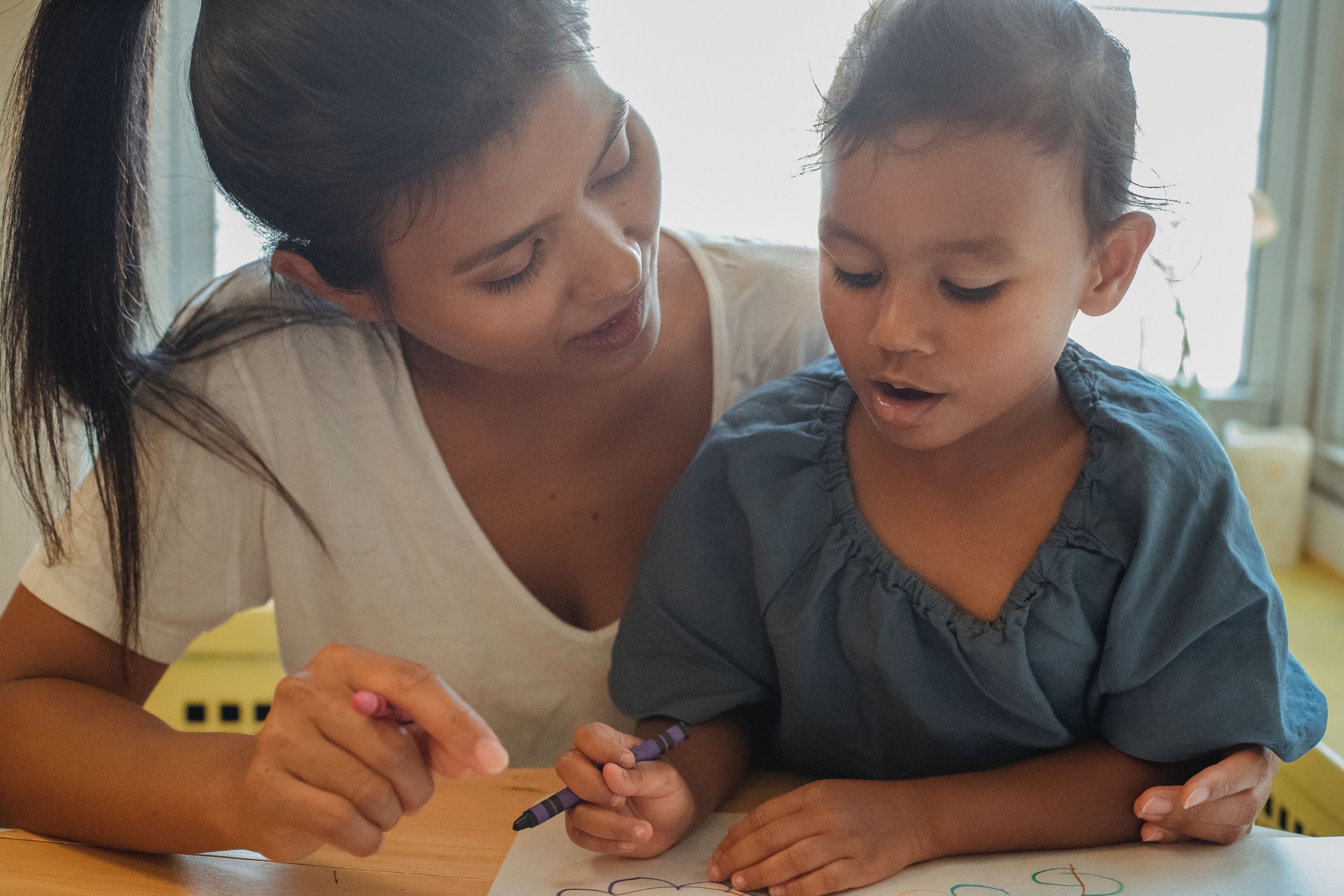
An area that might need some extra attention is communication. A lot of the communication parents have with their children has to do with emotions, tasks, or a combination of both. “How are you feeling?” “Why did you do that?” “How was school? What did you do?” A neurodivergent child might have trouble answering these kinds of questions for various reasons. Maybe they don’t know what they’re “supposed” to say, or they don’t know how to express the answer, or maybe they just don’t know.
Supporting your child’s communication can look different for every child, so the first thing I’d recommend is asking your child what they think is happening. “You didn’t answer that question. Do you know why?” “Are you having trouble responding to that? Why do you think that is?” Trying to get to the deeper root of why things are happening can help you understand your child better and, in turn, support them better.
If you can’t get to the root, there are more general things you can try, like offering some answers to choose from. “Did you have a sandwich or something else for lunch today?” “Are you feeling angry, sad, both, or neither?” This can help them find the words they’re looking for or indicate what they’re not looking for.
Another option is giving them a different way to communicate. It might be easier for your child to act out that they’re feeling anxious with their hands or doodle a picture that conveys why they gave the dog alphabet soup. Then you can help them find the words that they were looking for and practice for the next time they’re communicating. Specifically for emotions, it might be handy to keep an emotion chart with categories nearby that your child can point at to help steer you both in the right direction.
Support Yourself Throughout This Process

Communication can be one of the more difficult areas to work through, but trying to find the right kind of support in general can be draining. You might need some support through this process. You may need to give yourself extra patience if you and your child have issues during this process. It could also help to remember that you’re not the only person who’s struggling with the exact same thing. Not every child will benefit from the same kind of support, so trial and error tends to be most parents’ best bet. Remembering this can take some of the sting out of finding the wrong kind of support.
Final thoughts
Know that your child might need extra support. Know you can’t “fix” a child. Know you may not have all the tools you need yet. Try to practice emotional regulation. Know communicating may be a struggle for your child. Try different types of support to find what works for your family unit. Support yourself through this process. Understand that you’re already taking the first step by looking into what it takes to support your child. Take pride in that and use that to push you towards the next step of figuring out your approach.
Stay Connected
Looking for more guidance, advice, and encouragement for navigating parenting, transitions, and emotional wellness?
Sign up for my newsletter here: https://coach-donna.myflodesk.com/subscribe-to-my-newsletter
References
Affinity - Tips for Communicating With Your Neurodivergent Child
https://affinitypsych.com/tips-for-communicating-with-your-neurodivergent-child/
ADDitude - 19 Authoritative Parenting Tips for Raising Neurodivergent Children https://www.additudemag.com/slideshows/authoritative-parenting-tips-neurodivergent-children/?srsltid=AfmBOor81M6OHwmo2zAkPsybUCdH1svQJYJtXBMBLo12LD03zjuN4oTh
Notes
Praise positive behaviors and reward desired behaviors - ADDitude
Teach adaptive coping skills - ADDitude
Offer choices - ADDitude
Consistent routines, but break the routine sometimes with reason to show them it’s okay - ADDitude
Connect before you correct - White Bear
Name feelings to help them identify them - White Bear
Model emotional regulation
Educate yourself - Affinity